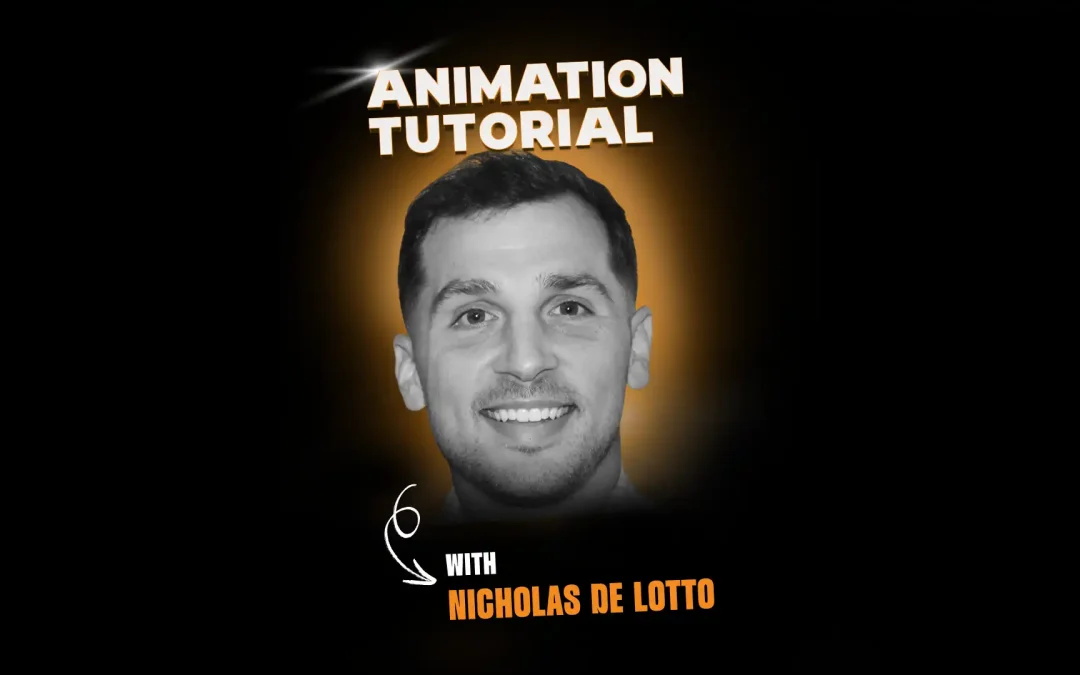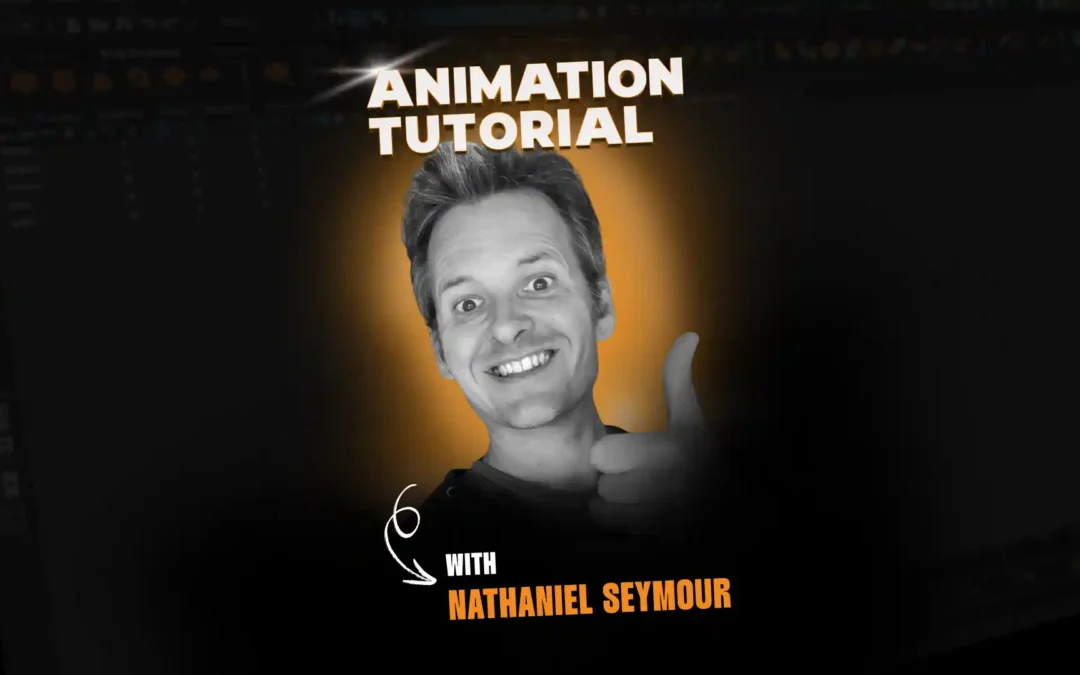

Natasha Krinsky, an Animation Mentor mentor and CG animator who has worked on games including Life is Strange: True Colors, Madden NFL 23, Madden NFL 24, Clockwork Revolution, and Six Days in Fallujah, sits down with senior animator Mike York to walk through how motion capture actually gets made for games. Together they compare the different ways studios and indie developers capture movement, from wearable suits you can rent and use at home to big professional Vicon stages, and talk through how that raw data gets cleaned up before it ever lands on an animator’s desk in Maya.
Wearable Suits vs. Big Studio Stages
Mike starts with the cheapest way into motion capture: a wearable suit that can be rented for roughly a couple thousand dollars a week and used almost anywhere, indoors or outside. The software even supports recording across multiple floors of a house without losing tracking. It is not a toy either. Mike points out that big titles like God of War have used suits like this when a full studio shoot was not practical.
The alternative is booking time at a professional mocap stage with a Vicon camera system, which Mike says can run around twenty thousand dollars for a single day. That price covers more than cameras. It includes a climate controlled stage, a crew to help performers suit up, and staff dedicated to cleaning up the data afterward, which matters most once multiple performers or props are involved at the same time.
Markerless and AI Driven Capture
Natasha and Mike also discuss markerless capture, where software estimates a character’s movement from ordinary video instead of physical tracking markers. Mike mentions that UFC 6 reportedly captures performers from flat video footage this way, a method he says historically produced unreliable results but appears to be improving.
He is candid about the tradeoffs. Suits and marker based systems still fall apart in specific situations, like two performers grappling and pulling on each other’s clothing, since the physical markers can get knocked loose. Markerless capture avoids that problem, but Mike has not used it in a production pipeline himself yet. Both agree that Vicon style systems will likely remain the standard for complex, multi performer shoots for the next several years, even as markerless and AI assisted capture keeps closing the gap.
Working With Props on a Mocap Stage
A recurring theme is that the physical prop a performer uses has to closely match the real object in weight and shape, or the resulting animation looks wrong. Mike references God of War Ragnarök, where a scene used a foam sword instead of a rigid one, and the capture data showed it flexing unnaturally as the actor held it against another character.
He also shares a story from early in his career working on The Saboteur, where a captured performance of a character changing a car tire looked completely wrong until he realized the actor had been miming the action around an empty metal chair on set, with no tire at all. Studios go to real lengths to avoid this, building in house rigid props out of wood or metal, down to fake car doors with the same weight as the real thing, so performers have something authentic to interact with.
Multi Performer and Hybrid Capture
Natasha and Mike touch on more elaborate setups, including a television project Mike worked on at Halon Entertainment that combined performances live. One performer’s body was tracked for movement while a separate performer’s face and voice were tracked at the same time, with both data streams tied to a single 3D character in real time. Getting everything synced and moving naturally took three people driving different parts of the same character at once, including a separate pass for hair and cloth physics.
They also note that some productions bring in trained animals for motion capture, including horses, when the budget and scene call for it, though neither of them has personally worked a mocap shoot involving one.
Facial Capture and MetaHuman
On the facial side, Mike describes using Live Link with Unreal Engine’s MetaHuman system, where a phone camera records a performance and streams it directly into the engine. Setup still requires care. The performer needs even, flat lighting and a straight on angle, and the system needs reference photos of the face from multiple angles before it can track well.
Both mention that MetaHuman rigs are demanding to render because of how many bones they use to capture small facial movements, but agree it has made high quality facial capture accessible to almost anyone with a phone and a computer.
Cleaning Up the Data
Raw motion capture rarely reaches an animator untouched. Natasha explains that at Deck Nine, body data was cleaned up in Shogun before animators ever saw it, while facial data went through Faceware, a program she worked in directly as a junior animator. From there, the Faceware Retargeter maps that cleaned facial performance onto the character’s own face shapes in Maya, a process that requires building out the character’s full set of facial poses ahead of time so the retargeting holds up.
Mike adds that Faceware has changed a lot since he first used it, when the software was still new and pipelines required much more manual shape building. Newer versions lean more heavily on AI to fill in the work automatically.
Motion Capture Jobs and Where It’s Headed
Both point out that motion capture work covers more job titles than most students expect, including mocap directors who run the stage, on set techs who help performers suit up, and dedicated cleanup artists who process data before it reaches animation. Mike notes that most animators only see the finished, cleaned up file, but animators who pick up mocap cleanup experience early in their career, as he did at Deck Nine, end up with a much broader view of the whole pipeline. They close on where the technology is going. Both expect markerless and AI assisted capture to keep improving and eventually reduce how often large stages are needed, but they agree a trained performer will always add something software cannot fully replicate. As Mike puts it, no tool can currently be directed to create a performance like Jim Carrey’s on its own.
If you have questions about motion capture or want to learn more, Animation Mentor’s game animation classes cover these topics in more depth.
Want to be mentored by professional animators like Natasha?
At the core of Animation Mentor are our 3D Character Animation and Game Animation programs. Follow your animation dreams by learning from animators at studios like Disney, DreamWorks, Pixar, ILM, Riot Games, Netflix, and Blizzard!