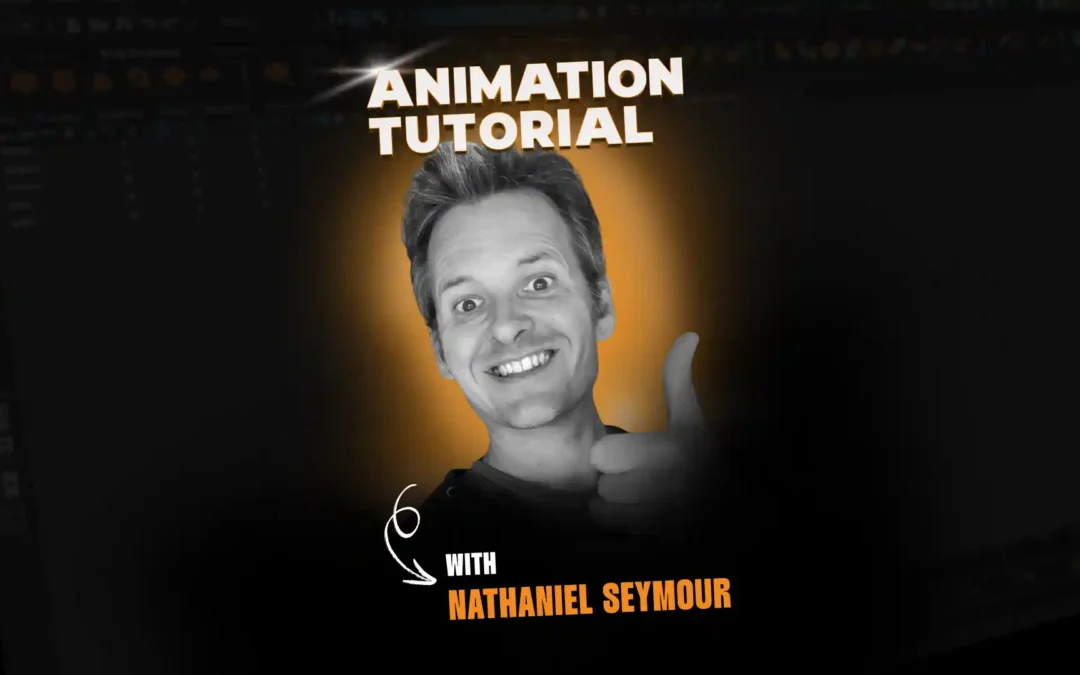

Hand gestures make dialogue animation expressive, intentional, and true to a character’s personality. In this tutorial, Animator Nathaniel Seymour shares the process—from video reference to polished Maya scene—for crafting lively and purposeful hand animation that supports storytelling and emotion.
Meet Nathaniel Seymour
Nathaniel is a 2009 graduate of the Animation Mentor Character Animation Program, with credits spanning visualization and character animation for film, TV, VR, and music videos. His work includes Dune: Part 1, Godzilla vs. Kong, Pokémon Detective Pikachu, and Clifford the Big Red Dog.
The Power of Reference and Acting
Nathaniel emphasizes the importance of real-life acting reference. Before animating, he records himself performing the line, paying close attention to how his hands move and what feels natural. He encourages animators not to copy their first take exactly—instead, experiment with multiple versions and draw inspiration from classic hand-driven performances, even Disney films.
Blocking Out Gestures in Maya
Starting in Maya, Nathaniel shows how to block major hand poses based on the reference:
- Avoid “spatula hands” (flat, lifeless poses) for more dynamic and appealing shapes.
- Introduce finger curl, wrist angle, and purposeful pointing to convey intention.
- Consider secondary motion: fingers dropping at different times, hands moving in arcs, wrists leading gestures.
He recommends breaking symmetry (no twinning between hands), using offset timing, and making sure each gesture feels motivated by the character’s intent, rather than just illustrating the dialogue.
Progressing to Polish
Nathaniel demonstrates how to refine hand poses:
- Add variety—spread fingers, adjust the thumb, exaggerate or soften shapes as needed.
- Layer in additional gestures, like a wave or anxious motion, even if it wasn’t present in the video reference, to support the character’s personality.
- Make sure gestures align with the character’s emotional state, whether excited, impatient, or casual.
Full Body Integration
Great hand animation goes beyond fingers and palms—it involves the entire upper body. Nathaniel explains how to sync arm and back movement with hand gestures for a natural flow. He keeps camera framing in mind to ensure the action feels clear and reads well in context.
Key Tips for Expressive Hand Animation
- Shoot video reference, try several takes, and borrow ideas from classic performances.
- Use finger curls, wrist changes, and secondary motion to avoid lifeless hands.
- Break symmetry—avoid twinning for more authentic movement.
- Add gestures and body motion to reveal character intent and emotion.
- Keep the hand action in frame and adjust poses for clear silhouette and storytelling.
Hand gestures are challenging but rewarding—adding life and clarity to every dialogue shot. Experiment, seek feedback, and never settle for first ideas. The process of animating hands is ongoing, with each pass offering opportunities to improve acting and character expression.
Keep an eye on our social media platforms for more tutorials, live workshops, and new courses.
Follow us: LinkedIn | Instagram | YouTube
Want to be mentored by professional animators?
At the core of Animation Mentor are our 3D Character Animation and Game Animation programs. Follow your animation dreams by learning from animators at studios like Disney, DreamWorks, Pixar, ILM, Riot Games, Netflix, and Blizzard!